Increasing Worldwide Trade: Understanding the Effects of Duty-Free Warehousing Zones
In today's connected world, international trade is experiencing remarkable growth, with nations more and more relying on effective logistics and strategic locations to improve their competitive edge. One of the main players in this developing landscape is the Free Trade Warehousing Zone, a idea that has transformed the way organizations operate on a global scale. By providing a unique blend of logistical advantages and beneficial regulatory frameworks, these zones are redefining the parameters of trade and commerce.
Free Trade Warehousing Zones serve as vital hubs for import and export companies, offering them with a optimized solution for managing inventory, reducing costs, and boosting supply chain efficiency. With fiscal advantages, simplified customs procedures, and robust warehousing facilities, companies are finding these zones beneficial for both e-commerce operations and traditional trade. This article explores the multitude of benefits that Free Trade Warehousing Zones offer, examines the differences between these zones and Special Economic Zones, and details how businesses can take advantage of them to increase their presence in the global market.
Benefits of Free Trade Warehousing Zones
Free Trade Warehousing Zones offer major pros for firms engaged in international trade. One of the key benefits is the lowering of tariffs and levies on incoming goods. Companies can hold goods in a FTWZ without incurring duties until the products are actually distributed. This flexibility allows companies to manage financial resources more effectively and invest in further growth opportunities while minimizing upfront costs associated with incoming goods.
Another benefit of Free Trade Warehousing Zones is the simplified customs procedures that accompany their operation. These zones often have dedicated customs facilities, which enable more rapid reviews and approvals. This effectiveness in logistics can lead to faster turnaround times in the supply chain, enabling businesses to respond more rapidly to market demand. As a result, businesses can optimize stock control and reduce delivery times, enhancing their competitiveness in the global market.
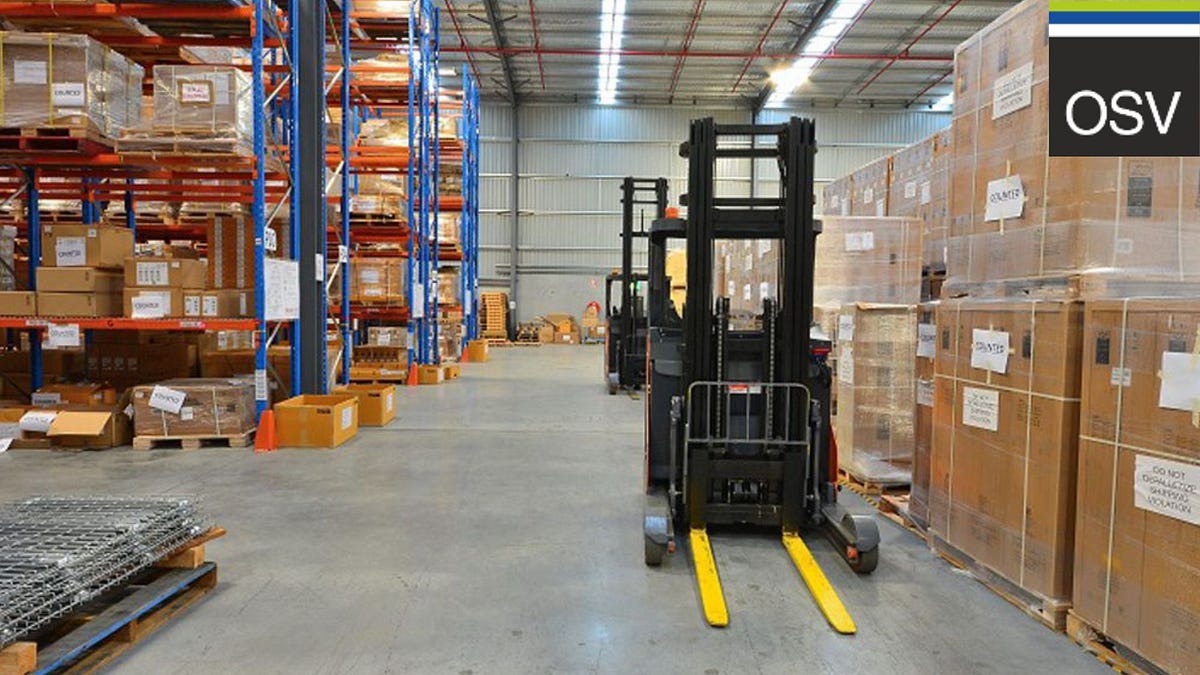
Furthermore, establishing operations in a FTWZ can lead to improved market access. By tactically locating in these zones, companies can access a broader range of international audiences with ease. The infrastructure and support provided within Free Trade Warehousing Zones are tailored to support trade operations, making it easier for companies to navigate complex trade laws. This access allows for more scalability and the opportunity to exploit emerging opportunities, significantly boosting a business's growth prospects.
Operational Efficiency and Expense Minimization
Free Trade Warehousing Zones (FTWZs) markedly boost operational effectiveness for businesses engaged in global commerce. By allowing merchandise to be held, assembled, and processed without facing tariffs until they access the home market, businesses can refine their supply chain processes. This not only reduces the time taken for products to move from ports to distribution centers but also optimizes the efficient management of inventory through adaptable warehousing solutions.
The cost benefits of utilizing an FTWZ are significant. special economic zone operating within these zones can circumvent customs duties on products that are simply kept or handled without being sold. Furthermore, the decreased logistics and storage costs associated with FTWZs, combined with tax incentives provided by different governments, lead to significant savings. This allows companies to channel resources more effectively, investing in new developments and scaling up rather than operating expenses.
Additionally, companies in FTWZs can take benefit from upgraded infrastructure and logistics solutions specifically designed to support international trade activities. With efficient customs procedures and proximity to major transport hubs, companies can enjoy faster access to international markets. The overall result is a more integrated supply chain that not only minimizes costs but also enhances reaction time to consumer needs, providing a strategic benefit in an progressively globalized economy.
Imminent Developments in Global Trade
As the environment of global trade remains to evolve, free trade warehousing zones are likely to play an ever significant role in boosting cross-border commerce. With the rise of e-commerce, businesses are seeking faster and more effective logistics solutions, making these zones attractive for companies that require quick access to markets. The shift towards digitalization is also prompting firms to integrate innovative technologies into their warehousing operations, enhancing the supply chain and improving customer service.
Emerging markets are transforming into focal points for cross-border trade, often supported by the creation of new free trade warehousing zone s. These areas not only provide fiscal incentives and reduced operational costs but also create chances for global players to tap into local markets more successfully. It is anticipated that investment in infrastructure within these zones will increase, facilitating better supply networks and improving connectivity to global trade routes.
In conclusion, green practices is prepared to influence future trends in global trade, with growing pressures on businesses to adopt green practices. Free trade warehousing zones can help alleviate these concerns by adopting more sustainable logistics solutions, such as low-energy warehouses and minimized carbon footprints. Companies that emphasize sustainability in these zones are more likely to gain a market advantage in the increasingly sustainable global marketplace.