Revealing International Commerce: The Benefits of Open Trade Storage Zones
In an increasingly interconnected global landscape, the significance of efficient international trade cannot be overstated. As businesses strive for effective ways to manage the complexities of global markets, Free Trade Warehousing Zones have become as a powerful solution. special economic zone specialized areas not only facilitate the movement of goods across borders but also provide a range of benefits that can greatly enhance a company’s operational efficiency and cost-effectiveness.
A Free Trade Warehousing Zone provides businesses the distinct opportunity to store, handle, and re-export goods without the immediate burden of tariffs and taxes. custom bonded warehouse is particularly advantageous for trade companies seeking to improve their supply chains. From logistics strategies to compliance with customs procedures, knowing how to leverage a Free Trade Warehousing Zone can unlock new avenues for growth and access to global markets, making it an critical consideration for businesses in today's business environment.
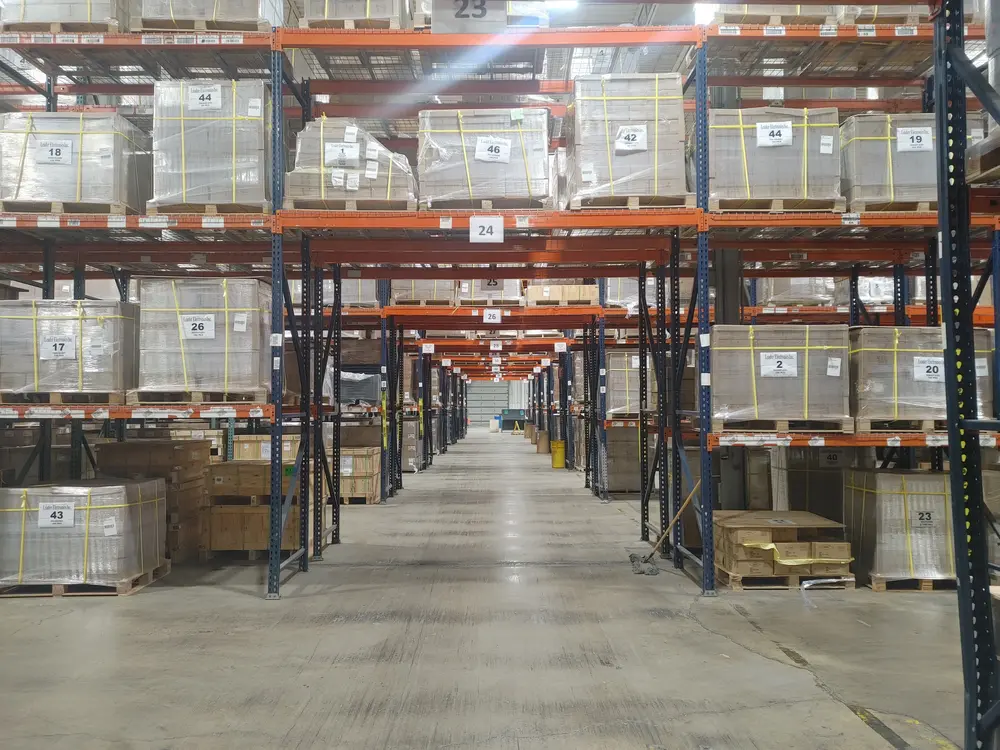
Benefits of Free Trade Warehousing Zones
FTWZ offer significant benefits for organizations involved in international trade. One of the key advantages is the decrease in spending associated with import fees and tariffs. Goods brought in into these areas can be stored, repackaged, or even produced without paying taxes until they are marketed to the domestic market. This deferral in tax obligations allows companies to manage their financial resources more efficiently, enabling them to reinvest in operations or reduce the end price of goods.
Another major advantage is the enhanced logistics capabilities available within FTWZ. These areas are strategically located near significant logistics centers, offering convenient access to shipping routes, airports, and railroads. This closeness not only accelerates the movement of goods but also simplifies supply chain processes. Businesses can optimize their inventory management, reduce lead times, and enhance customer service to clients, making them more advantageous in the global market.
Additionally, Free Trade Warehousing Zones offer a level of flexibility that is essential for businesses, especially those involved in e-commerce. Businesses can adapt to quickly changing market needs without the burden of extensive regulatory processes common in traditional warehousing and distribution channels. The ability to store goods duty-free, undertake small processing, and quickly redistribute them creates an flexible operational framework that fulfills the needs of contemporary commerce, enhancing global market access and opportunities for growth.
Tax Advantages and Regulations
One of the key benefits of Free Trade Warehousing Zones (FTWZ) is the range of tax advantages they provide to businesses. Businesses operating inside these zones often benefit from reliefs on customs duties and indirect taxes. This enables businesses to lower their operational costs drastically and enhance their overall financial performance. The flexibility in handling goods free from immediate customs duties can also lead to enhanced cash flow, making FTWZ an appealing option for importing and exporting companies.
In addition to to tax benefits, adherence with regulations in a Free Trade Warehousing Zone is typically simplified relative to standard trading environments. Authorities creating these zones commonly aim to promote trade while ensuring specific oversight. This means that while businesses enjoy relaxed customs procedures and tax exemptions, they still must comply to certain compliance requirements, such as ensuring proper documentation and keeping accurate records. Understanding these regulations is crucial for businesses to fully leverage the benefits of operating in an FTWZ.
Moreover, effective compliance practices can lead to even greater benefits. Businesses that focus on adherence to FTWZ regulations can enhance their standing, reduce the risk of fines, and ensure efficient operations. A robust compliance framework not just aids in meeting legal requirements but can additionally improve logistics and supply chain efficiency. By navigating special economic zone and compliance efficiently, businesses can set themselves for victory in the global marketplace.
Examples and Future Insights
Many companies have effectively utilized Free Trade Warehousing Zones to enhance their operations and increase international trade. A significant example is a multinational electronics firm that created a presence in a Free Trade Warehousing Zone to optimize its supply chain. By utilizing the tax benefits and logistical efficiencies available in the zone, the company was able to reduce operational costs significantly while accelerating the speed of product delivery to international markets. The case illustrated how strategic positioning within a Free Trade Warehousing Zone can facilitate rapid growth and competitive advantage in a volatile global landscape.
In another case, a flourishing e-commerce business leveraged a Free Trade Warehousing Zone to improve its inventory management and satisfy customer orders more efficiently. With the nearness to major shipping routes and streamlined customs procedures, the company was able to reducing shipping times and costs, resulting in increased customer satisfaction and higher sales volumes. This achievement emphasized the advantages that e-commerce enterprises can gain from operating within a Free Trade Warehousing Zone, including improved global reach and the ability to respond quickly to market demands.
Moving forward, the future of international trade seems promising for Free Trade Warehousing Zones. As businesses more and more prioritize flexibility and efficiency in global supply chains, the desirability of these zones will likely grow. Emerging technologies and advancements in logistics will further optimize operations within Free Trade Warehousing Zones, enabling companies to take advantage of new investment opportunities and adjust to changing trade dynamics. With an eye on sustainability and innovation, these zones are poised to play a key role in shaping the direction of global commerce.